Three great videos that seem to hang together.
A Good Seam of Internet —
New Aesthetics? —
They've been about for a while but it's only fairly recently that drones or quadrocopters with cameras have become good enough or cheap enough to use by say wedding photographers or cheapish regular telly. Mostly it's just another way of getting B roll. Rarely does it add to the overall content and understanding of the shows topic like below, from The Secret History of the British Garden, (presented by Monty Don, naturally).

Beautiful Distopia —
Handmade: Slow TV —


Handmade is a series of three programmes from BBC Four that look at three master craftsmen and their processes. The key difference is that these programmes are slow. Very slow. As Director Ian Denyer explains: “The brief was brief: no words, no music, long, very long held shots I added my own restrictions – no shot less than ten seconds, and no movement of the camera.”
This makes for an unusual and absorbing hour and a half of TV. I find the pace, the craft, and the exclusive use of diegetic sound calming, cathartic and comforting. As someone who is something of a frustrated ‘maker’ I love watching people do what they’re good at. Seeing someone use a tool that they know so well that it’s a habit rather than a thought about action is thrilling and genuinely inspirational. (I get the same feeling of wanting to create things when I’m in Atlantis looking at sketchbooks and pens…)
Check all three out here.
The series blog is also worth a look for the voices of the craftspeople and an insight into how the series was made.
Mike Bracken & GDS —
I watched this talk from Mike Bracken about the Government Digital Service. He talks about how the processes and practices the GDS encourages can help reshape how government is delivered in the increasingly digital future.
On the purely practical level I think the GDS can make the business of government (i.e. living and working) more up-to-date and more politically progressive. On a current affairs note it could also be a way to facilitate budget cuts that not only keep ‘front-line’ services the same but actually improve them.
But more than that, I’m interested in the way the GDS does this. Mike Bracken contrasts the iterative, responsive, adaptable and ‘fail fast, fail cheap’ approach of the GDS to a ‘big bang’ style favoured by policy makers. I’m becoming more aware that successful projects seem to have this modular structure built into them. It means they can be added to later (as needs or budgets develop), moved in a different directions and also contribute to a coherent whole.
It’s not just government or design projects this can apply to – in analysing the things I like about my garden it’s this ‘ahem’ organic way of allowing things to happen and within certain boundaries not being too fussy. Later on you can check on what’s happened in the system or framework and make decisions from there. If it’s good - encourage it, if it’s bad, stop it and try something else. This sort of plan also allows for serendipity and responds to actual conditions rather than sticking rigidly to the plan you set out at the beginning..
I think I’ve fairly comprehensively mixed my metaphors here but I’m sticking with it. Gardening is good, setting up systems is good, and working iteratively, with cycles of critique and reflection is good.
Videos
The Bay by Metronomy is a proper music video. Shot entirely in Torqauy (I think- yeah something like that). Great great great.
I'm not one to slap up advertisements normally but I really like these new H&M adverts. I was trying to figure out why I like them- I think it's to do with economy. I feel like they were cheap to do and the effect of a simple set up of 3 cameras is great- all the value is added in the edit and makes for a series of (I imagine) cheap and effective videos. They succeed in what they are trying to do which is look vibrant and exciting and catch your eye- the nifty visual trick of the 3 cameras is engaging and quirky.
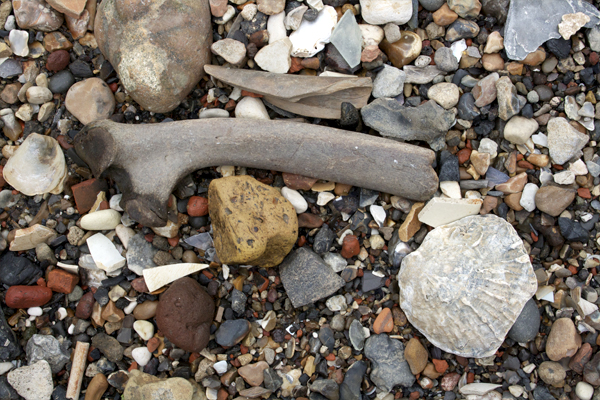
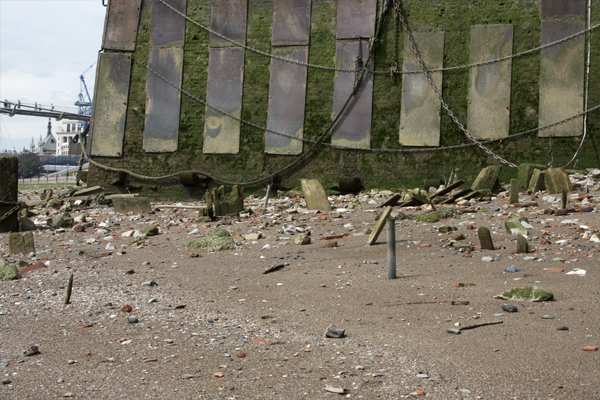
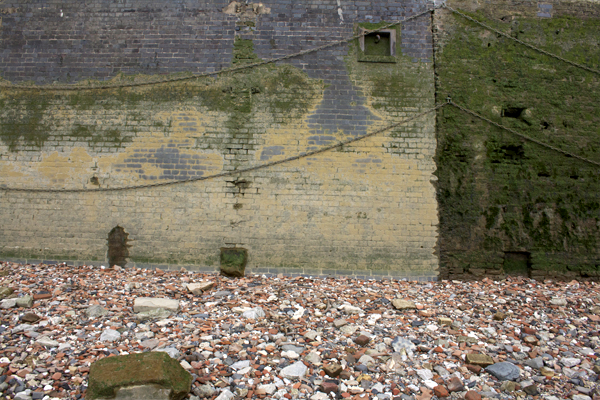
Bone Island
Part of an ongoing project looking at nature and the city. These are photographs of Queenhithe, AKA Bone Island. A beach opposite Tate Modern and The Globe on the Thames.