V&A Archives

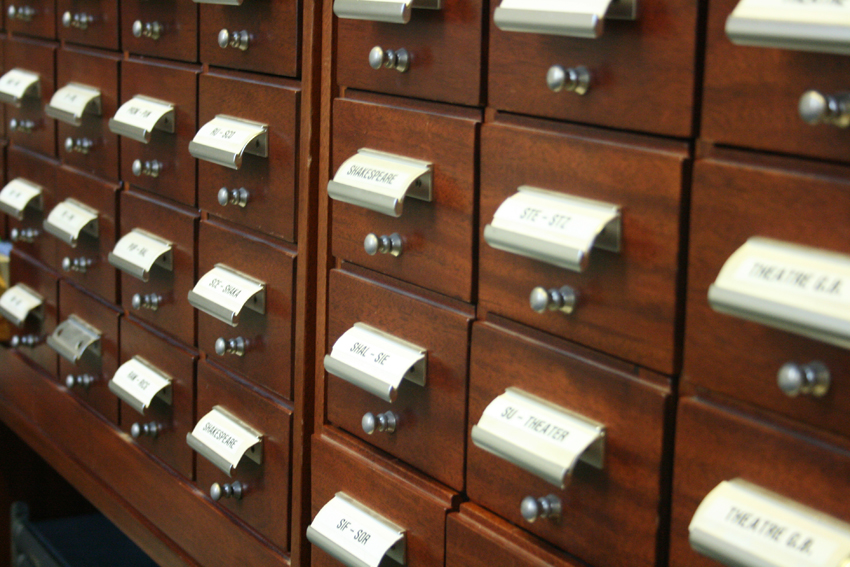
I went to the annual open day at the V&A archives at Blythe House in Olympia. There was an interesting thing of refinement: the woman talking to us was an archivist, from the archives department, from the art and design department, from the word and image department, from the V&A. In a similar way the objects were at the bottom of a load of layers: building, room, shelf, box, foam, card, sleeve, paper, then object.
The open book is a conserved version of the book above it. The top book had loads of pictures stuck in with sellotape and this has eroded and died over time so that things are stuck together and the pictures become damaged. The conserved book is easier to navigate and and work from - indeed through the conservation process the images are more accessible and now some of the images have been displayed at the design museum and also the Cold War Modern exhibition - i think it's interesting, because i find it to be another level of context abstraction the images in the fading, old, ledger feel more honest and fit the pictures better than the sterilised conserved version.

There was a story told about how a bed had been offered from Garrick's family. On visiting the item in question the curator also discovered a number of other items which used to belong to Garrick and a collection of letters and documents pertaining to the heritage and acquisition of the bed, including, of note, an unpublished poem. The money to acquire these could not be given by the museum and so they went to the society of Garrick (these guys had money) and they whipped round and got the cash- and also in the process another museum piece was offered- this adds weight to my argument that things attract things- i think this might be worth revisiting.

A tour guide, Guy Baxter, described the archives as 'Some of our treasures'

The archivists seek to record through archiving.

The buildings were built originally as offices and so are not strong enough for the purpose so the archive shelves (which i wasn't allowed to take pictures of!) had to placed over the beam lines of the buildings- i like the idea of a collection dictating a space and also the other way round there's some kind of interesting relationship happening there.

Territories Map

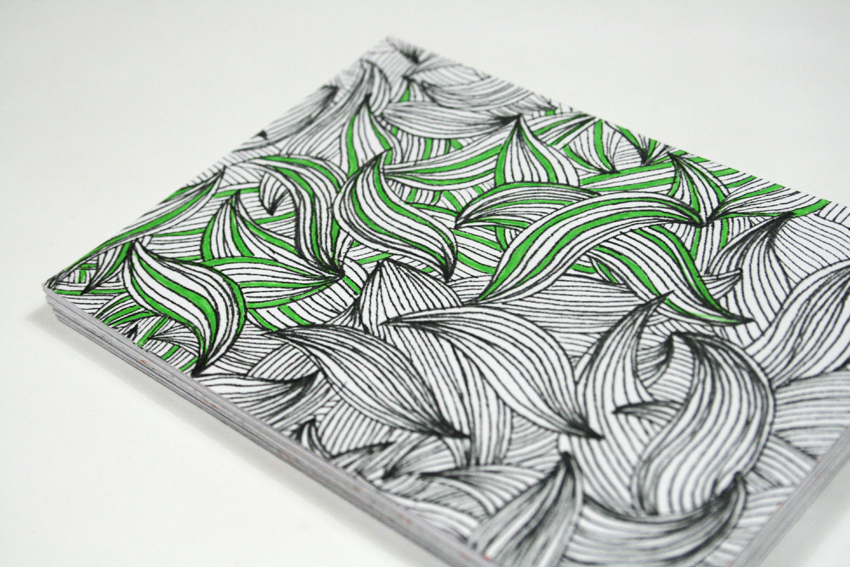
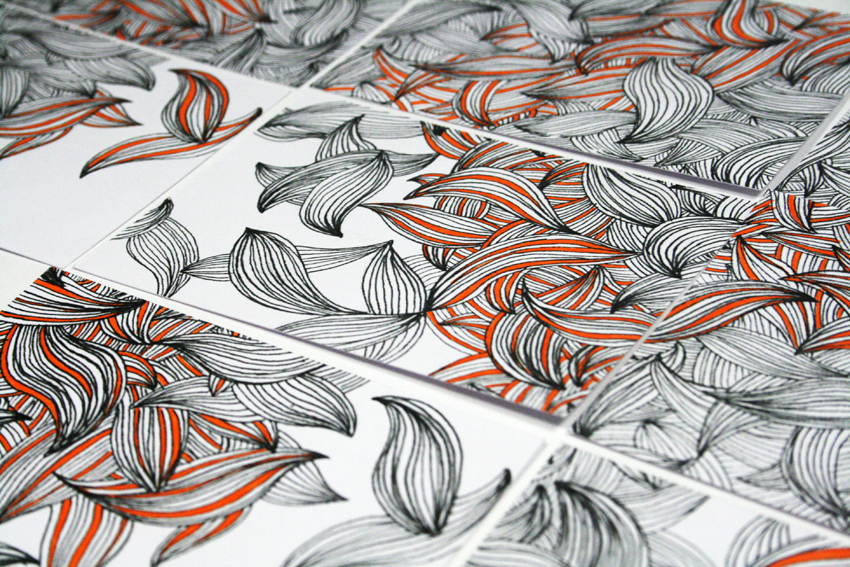
This is the map i created for my map of my project so far. It is pretty much a glorieifed spider diagram- 25 words which can be linked most ways and any random 5 would create an interesting relationship and project. The map is firstly an illustration of my territory- this is the words. On the other side are various shapes of various sizes. The tool part of it starts when the viewer is asked to pick a set of 5 cards- do they pick all the cards of a certain shape, all the cards of a certain size ones, or the diagonals, the most aesthetic pattern or randomly. These choices then corespond to the words on the reverse creating new groupings. (The words on the reverse are also ordered (by shape) into 5 categories Curation:    labeling, criteria, rhyming objects, display.

Frames and Boundaries:    gaps, proximity, storage, horizontal space

Accumulation:        repetition, gathering, acquisition, copying

The Collector:        sequential, completion, validation, context abstraction

The Artifact:        taxidermy, scale and proportion, typologies, sets and groups, specimen

At the moment these are also functioning as chapter headings for my context report but im pretty sure ill  need to hack these down to a more managable size.

Freud's House

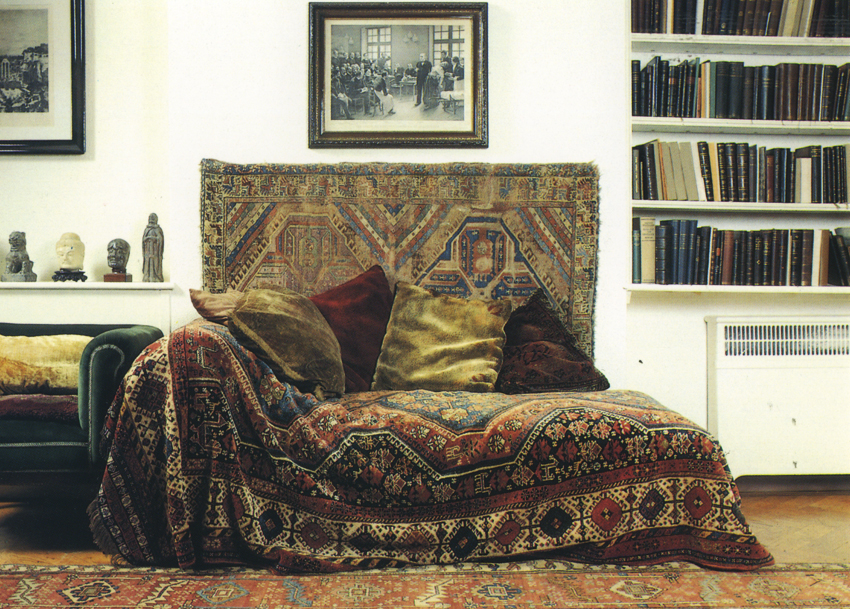
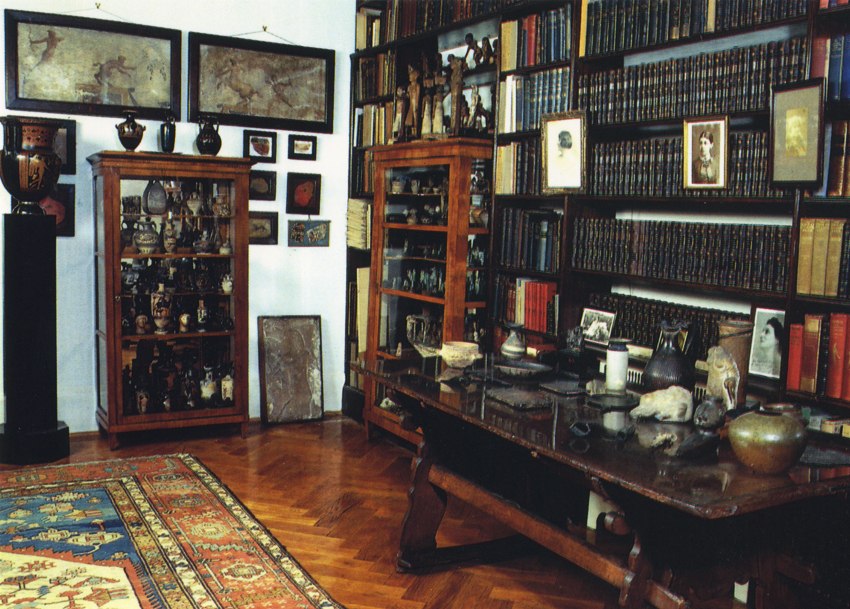
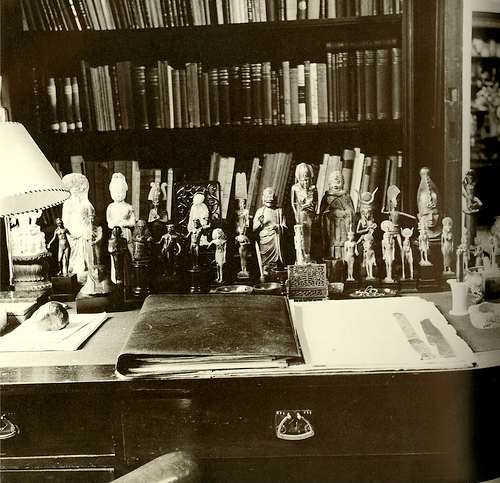
freuds-house-1.jpgfreuds-house-2.jpgfreuds-house-3.jpgWent over to Freud's house in Finchley at the weekend. He only lived there for about a year of his life (he died shortly after leaving Nazi occupied Austria, in 1939) But importantly it houses his library, furniture and collections. His passion for collecting ancient artefacts, was second only to his addiction to cigars apparently- many small figurines were housed cabinets, shelves and noteably filling approximatley half of his desk- i'm going to refrain from talking about fetishism here or suggest that a historical item from some egyptian burial chamber is an absent phallus. Freud used his collection as a metaphor for psychoanalysis using it to show how conscious material wears away whilst the unconcious is relativley unchanging- i.e. in being buried, the artefacts in the room were preserved. There are very few things connecting Freud's collection together; the fact that the great man owned them is probably validation enough as to their criteria for being a collection, however they were all very old some up to 4500 years old, of either ancient near eastern, greco, egyptian, roman or chinese. The most interesting thing about this carefully accumulated, kept and displayed 'museum' is how subjective it is. Anyway, I think he's an interesting guy with an interesting collection- i hope i can say more later about it but this might be it.

Tutorial No.1

I had my first tutorial today with Laura, it went well and hopefully i need to just carry on. Laura asked us to send her a brief overview of our territories to get to know what was going on and one of the things was listing 3 weaknesses and 3 strengths with the project- this was interesting as it helped me get out some of the things i was thinking about but hadn't externalised- some things were: that i think people outside of a design context (and of course within it) will be able to relate and engage with the project, i reckon everyone collects something- (this is something i need to come back to and explore more- i think a questionnaire for the moment would suffice with a follow up 'collection of the week' book for some of them to be photographed and displayed.) Mini projects are good. I need to get more people involved- collectors, curators and people who might be interesting. I've been wanting to do this but my to-do list is finally getting shorter and so i should be able to get involved on another level next week- interviews, by either email or video will be good. I also want the time to do some drawing- bad Luke- draw all the time.