




RCA Round up
Little bit late but here it is. Went to the RCA in short- was surprisingly disappointed with the Interactions work- I think now that most people can use an arduino a bit and appreciate that electronics and stuff isn't as hard as it used to be, the magic has left a bit. I'm not impressed now by a sensor or a projector with a something on it- I've seen it before- quite a bit. It all needs to be coupled with an intelligent and good idea which didn't seem as apparent as in previous years. I was surprisingly pleased with the Product stuff though- don't know why- perhaps because a fair bit of the interactions electronicy stuff has osmosised over- as I said- all that stuff is a lot more accessible than it used to be- the best piece of electronic interaction that was there was in the Design Products space. Whispering Leaves by Ji Long Shon. (and is that Charlotte on her website?)
Earth Coffin by George Fereday looks like what it is- but a good idea mind.
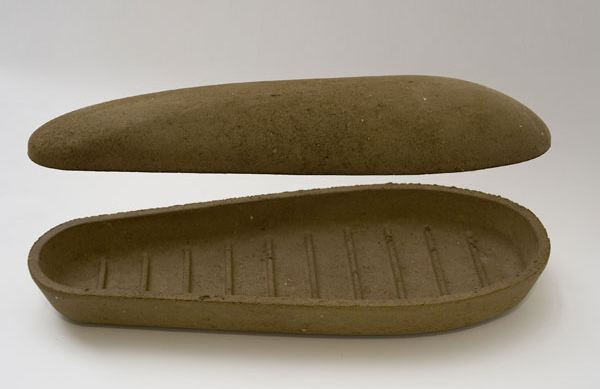
Pressed Chair by Harry Thaler. Not often I like chairs- but this one seems to actually live up to it's eco concepts- I like that if you left it outside it might begin to look like a watering can. I think the raw metal one would look better with age- tricky to do.

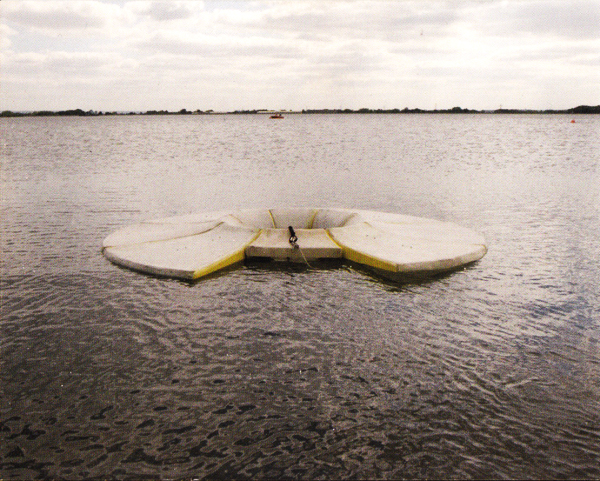
Disappearing by Andrew Friend. Read the website and see the pictures. I like this one for a few reasons- the objects look like they are older than they are- the one for the sea looks like a 20 year old buoy. Also the project only comes alive in the photographs- the objects are almost by the by- the photos are the heroes here- contextualising the objects in wall sized photographs at the show was a winner- I've got a real thing at the moment for how far do you need to take a project before it's a project.
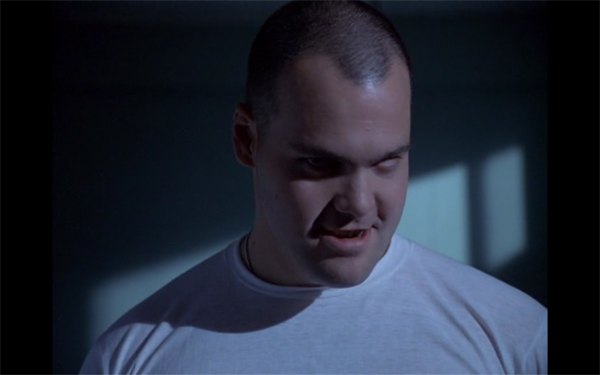
This is my rifle, this is my gun. This is for fighting, this is for fun
This Happened
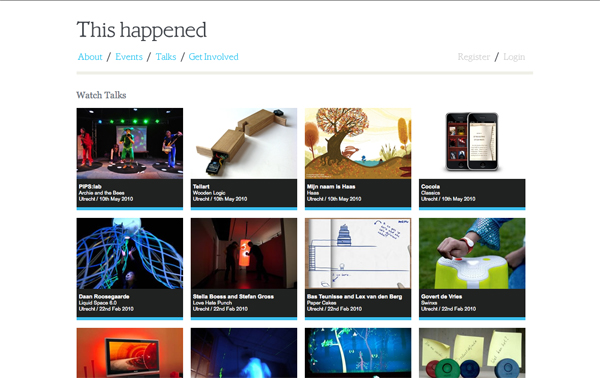
I only 'This Happened' found this one the other day- not sure how I missed it for so long to be honest- Created/curated by Chris O'Shea, Joel Gethin Lewis and Andreas Müller, it's basically videos where a designer (normally interaction) talks through one of their projects for a bit and then takes questions. There's a couple of gems in there- I'm a big fan of Matt Cottam of Tellart's talk about wooden logic.
Le Camp
I'm in love with this set of photos 'Le Camp' by Claudine Doury. They beautifully capture a period between childhood and adulthood- documenting a space away from the domesticity of the home and the imposing structures which parents put in place. 
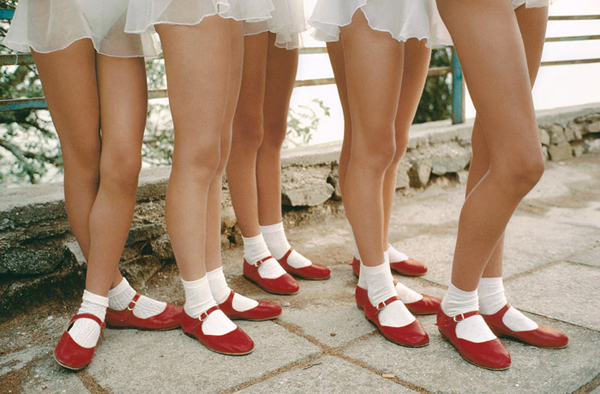 Link here: Claudine Doury
Originally found here: also nice- iconology
Link here: Claudine Doury
Originally found here: also nice- iconology
Yesterdays post- Today!

Behind the Scenes at the Museum
 This is a fantastic set of documentaries by Richard Macer which looks at three ailing British Museums: The National Waterways Museum, The Freud Museum and the Commercial Vehicles Museum, under the pretense of looking at why they are failing and how they are trying to reconnect with the visiting public.
I firstly love this set of programmes because I love museums- I've got a real thing for them. I love the processes of collecting, accumulating, storage and display (as friends know only too well). I love the feel of them- the museums documented here are the sort of museum my childhood was filled with- wooden cases with curios and engines and stuff and I personally think there's little more British than Leyland Lorries and Canal Boats. There's a warmth and bored interest surrounding very specific information conveyed through plauqes and 'Authentic' surroundings.
So there were a few interesting bits and pieces about how the Museums faced a challenge in attracting new visitors without compromising the context and history of the space which the Museums inhabit- which are often the now disused housings of the exhibits at the museums- Boat sheds for the waterways, transport warehouses for the buses and lorrries, old mills for the Victorian industrial revolution that sort of thing. One poignant point from the now ex Director of the Waterways museum was that a few years ago visitors were visiting these places as there was a nostalgia for them. These visitors had canal boats and stuff when they were kids and so there was an interest in getting back to that. Now, however there was no such nostalgia. The canal boats were now an anachronism, and the museum's challenge was in making these almost alien artifacts relevant to an audience who felt no real affinity towards them.
All the documentaries though, happily veered off towards the people who were within the museums- those working and volunteering to keep the place running, and the relationships and politics between them. Whilst there were some traditonalists who were stuck in the 'olden days' the most interesting thing for me was seeing the passion and enthusiasm which the volunteers put into their respective tasks and the camaraderie they found through it. The Commercial Vehicles Museum had a particularly endearing character called Errol (pictured) who had been an employee at Leyland and now worked in the cafe at the museum- he heated up mushroom soup, morrisons beans, and buttered baps for ham sandwhichs. He was so happy- and the friendship between these, almost exclusively, old men was quite touching to watch.
I'm sure to most it sounds like a rubbish watch but I think it's an important, interesting bit of social, anthropological history which most people will be able to relate to. Check them out here until 3rd June: BBC Behind the Scenes at the Museum
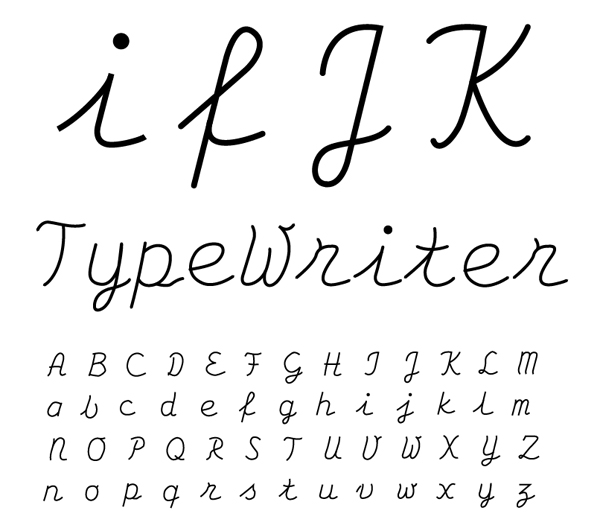
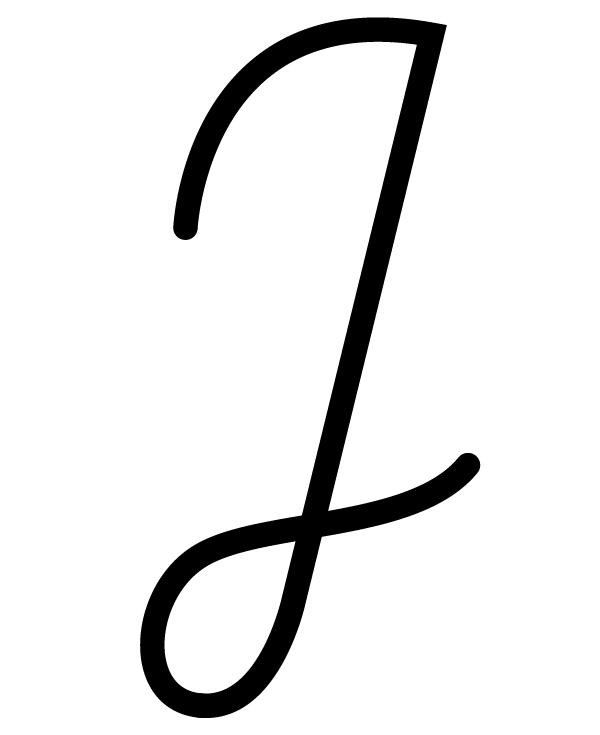
Typewriter Typeface
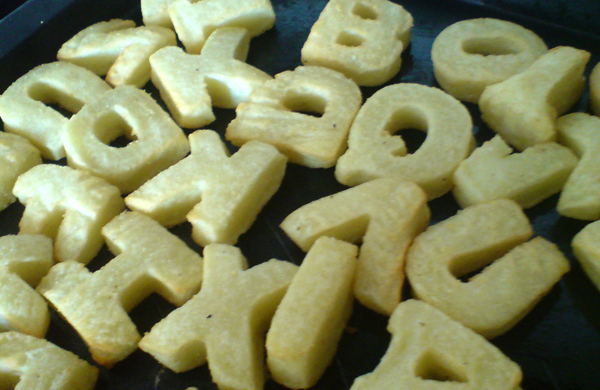
Super initial looks at the possibilities of digitising an old typewriter typeface. Why is this interesting? It's a monospace script font and I think it's quite unusual.