Tutorial and Stuff

Having a good time at the moment but I'm getting worried that my project isn't getting where i want to be fast enough- part of this problem is not knowing where i want to be, i just know I'm not there! I had a good tutorial with Rosario she harked back to an old project of mine: the one with the puddles in bags and water collections. She pointed out that it's success came from a specific thing- a context, a problem and that now i had good research but that i was in danger of letting my research outdo whatever outcome it might be that i come to- i need to start getting specific- and pretty soon- I'm going to say that by the end of January for sure (hopefully sooner) i will have concluded my research to do list and that i will have a more specific area of interest to run with and make real good. We talked about which bits of my project were interesting...... i like this drawing and the idea of getting movement involved, time passing, motion, something happening during the accumulation/ collecting process- the way i see it the collecting process goes:
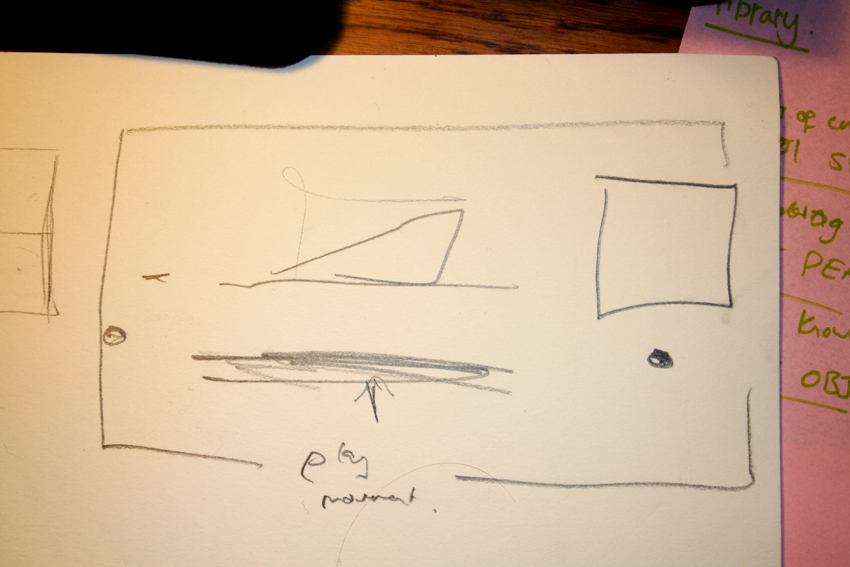
start static---------during, movement, interest, play, motion, active-----------after i.e. completion static once more, lack of interest, shelved,

slopes, conveyors and time passing interest me with that. We also talked about completion:
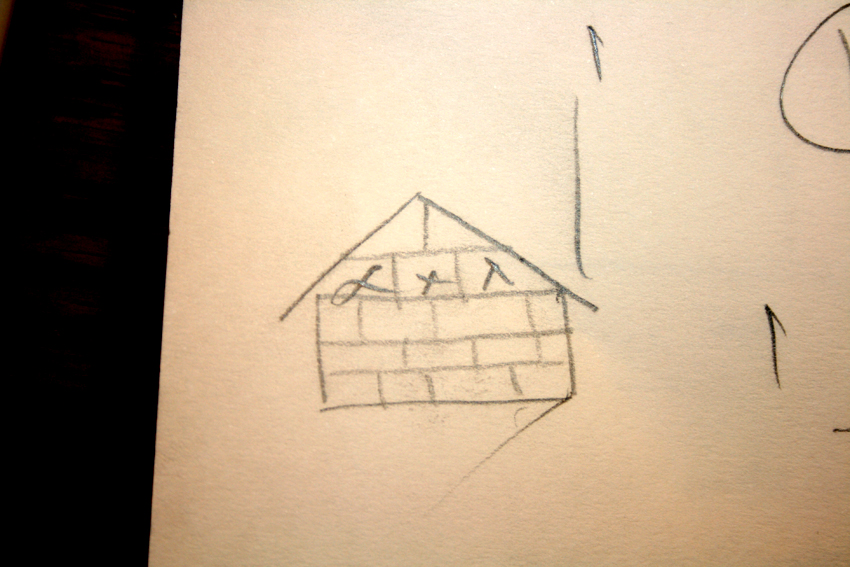
this shows an item given which contains one item, with spaces to fill, promoting collecting and accumulation- this links to one of my interests previously about a frame with a label will attract not just more of the same item mentioned within close proximity but will actively attract like a magnet, other artifacts of a similar label. A split box is better at suggesting collection by implying a set and an aim- a completion- something of a particular size for instance, when compared to a large empty cardboard box. Levels, compartments, trays, sections all describe and imply a set. I fancy making a group of objects some with 2 parts ranging up to many parts. Making tools/ objects to instigate a collection in someone- i guess to an extent i have it with my book a week framework, why not make other tools for others.

Rosario was also interested in the industrial process of standardisation. That when everything is manufactured to be 'perfect' the imperfections become the rare collectibles. If there are limited editions, or only a certain number of an item in existence (as is the main norm with collectibles- here defined as anything collected) then they are ripe to be collected. I'm wondering, what if every thing was different, but still was a product of an industrial mass process, then every one would be collectible- so none would be as each was as valuable as the last and the next. This leads on to the idea of the specimen- the best artifact within a comparable group of artifacts. Would this evolve despite having nothing to be directly compared against. Could a specimen still be manufactured..............

Food and Gaps

This is a sketch for the food i made but stupidly forgot to take photos of. It is a roast beef dinner minus the roast beef. The meal acts as a collection, where it's gap is the summing up artifact. This absent item defines the collection. If however it were present then the meal/ collection would not be thought about, it would be complete and unremarkable. A collection no longer in process has no movement and no momentum.

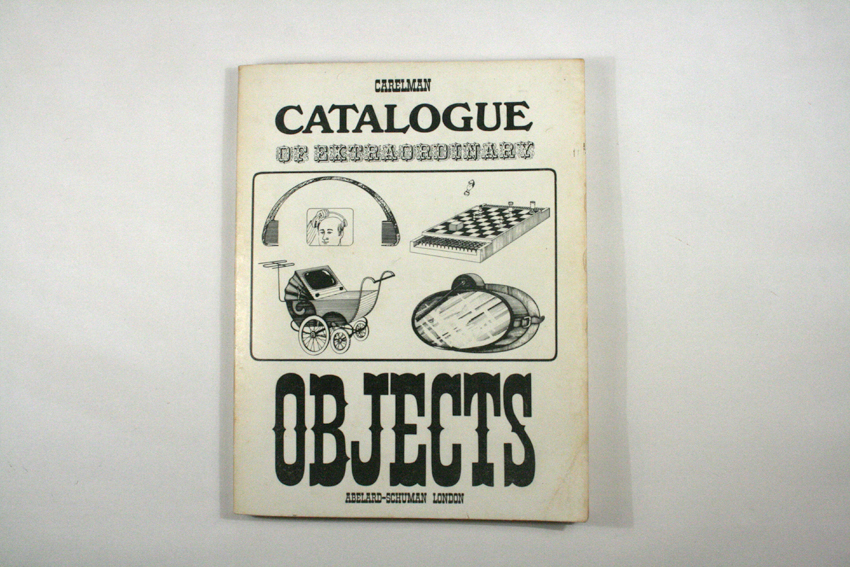
Carleman's Catalogue of Extraordinary Objects

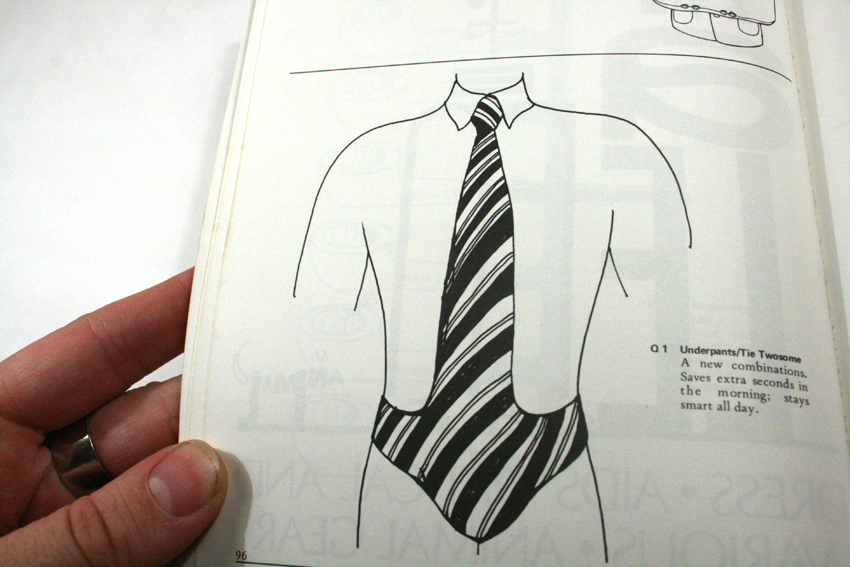
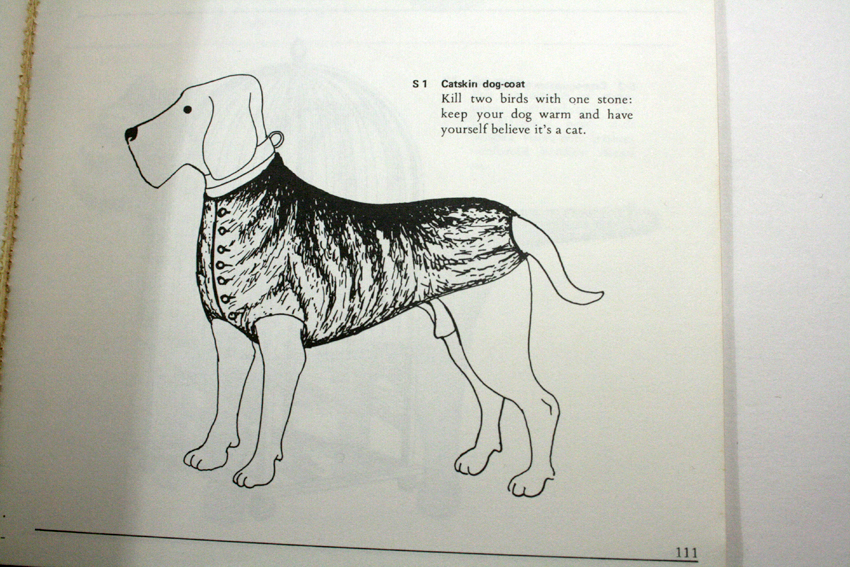
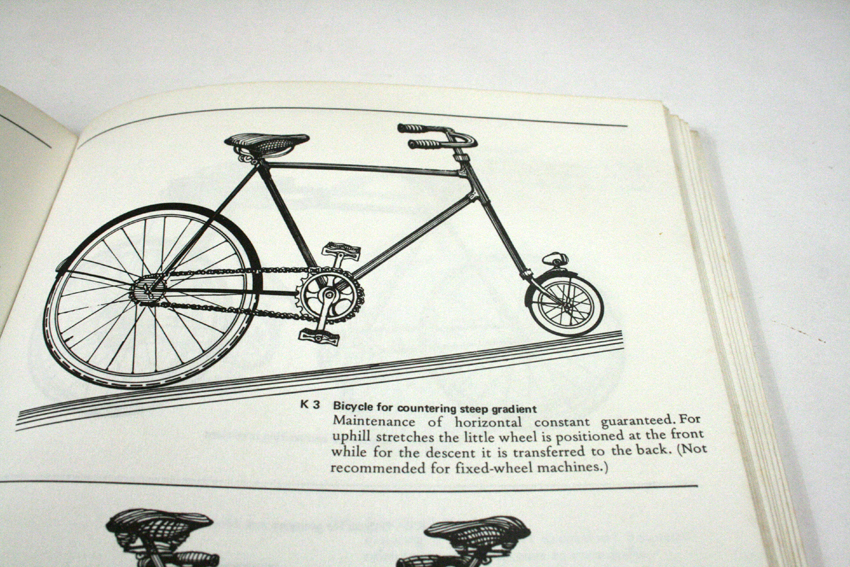
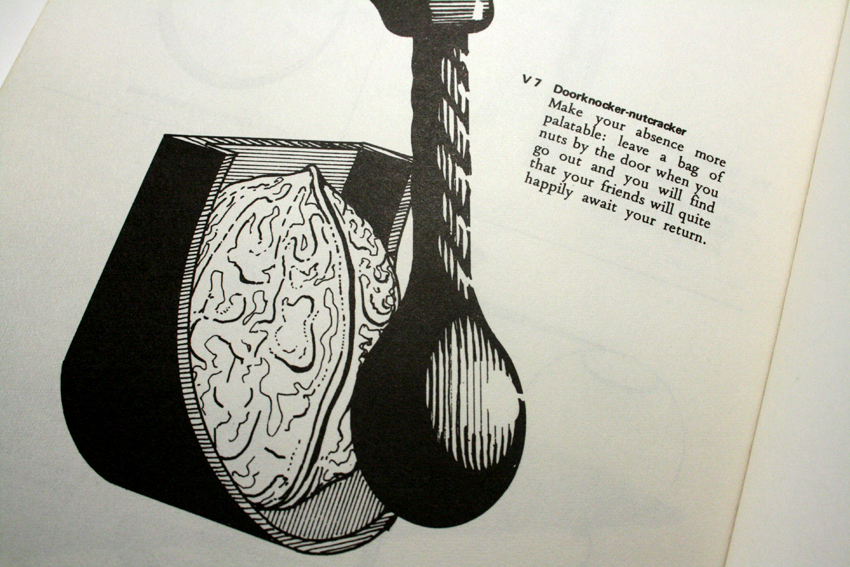
This is a beautiful book of objects that this illustrator created. Some are amazing, some stupid, some witty, some just a bit shit, but there are some complete gems - i was going to post it just for kicks but maybe it has some bit of my project somewhere in it - maybe just the format and title. Anyway enjoy.

Making Week Day One

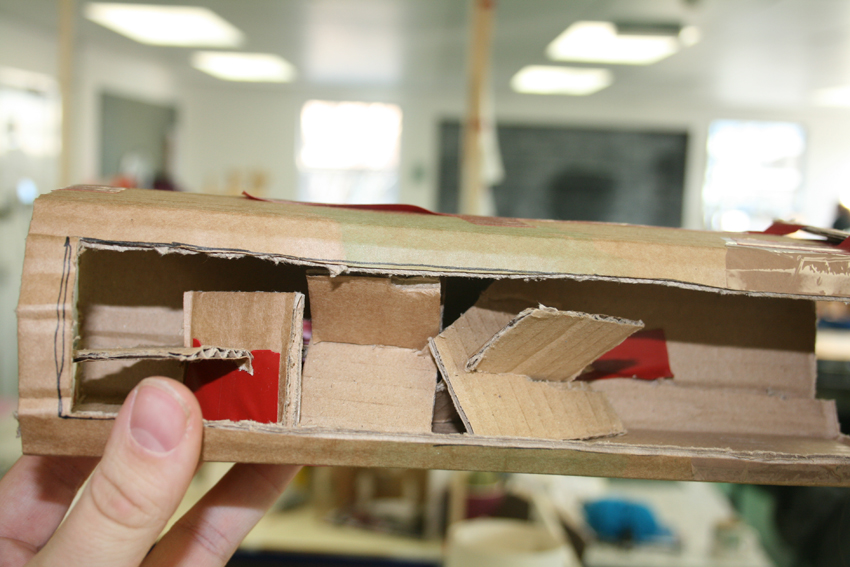
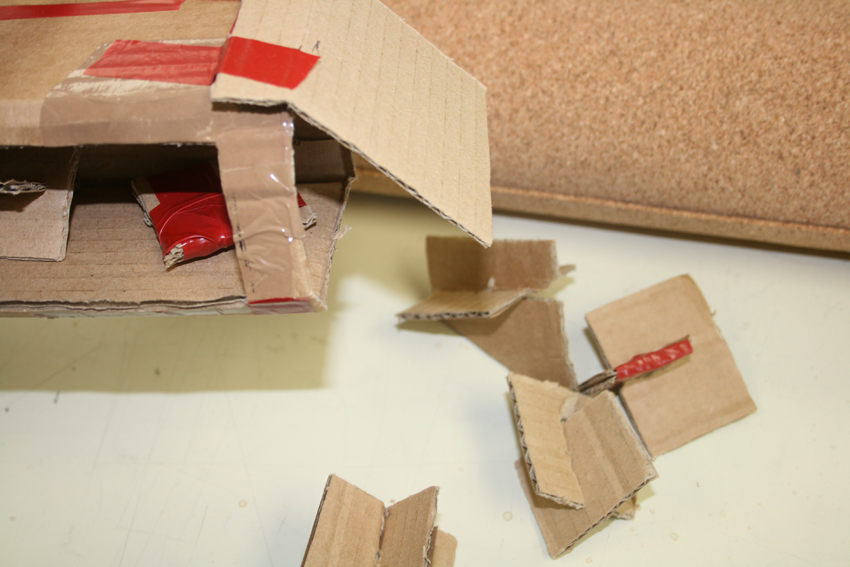
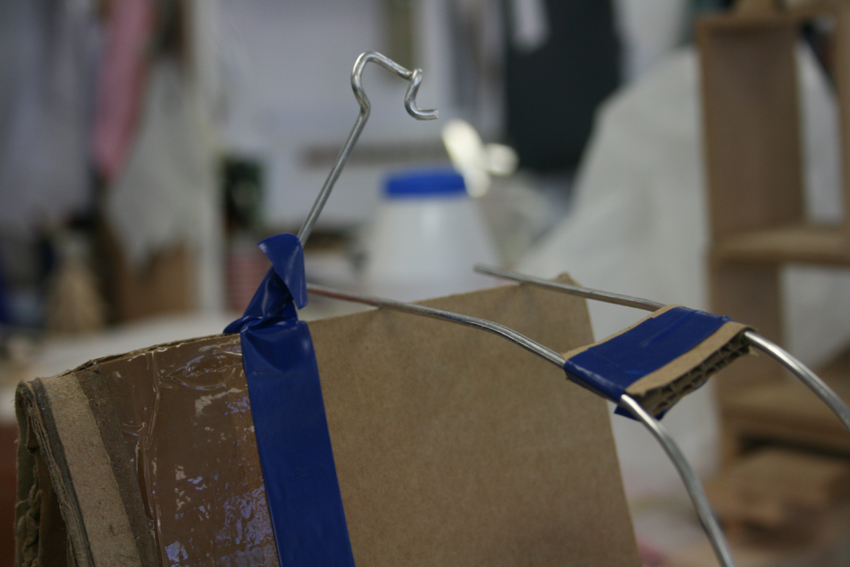
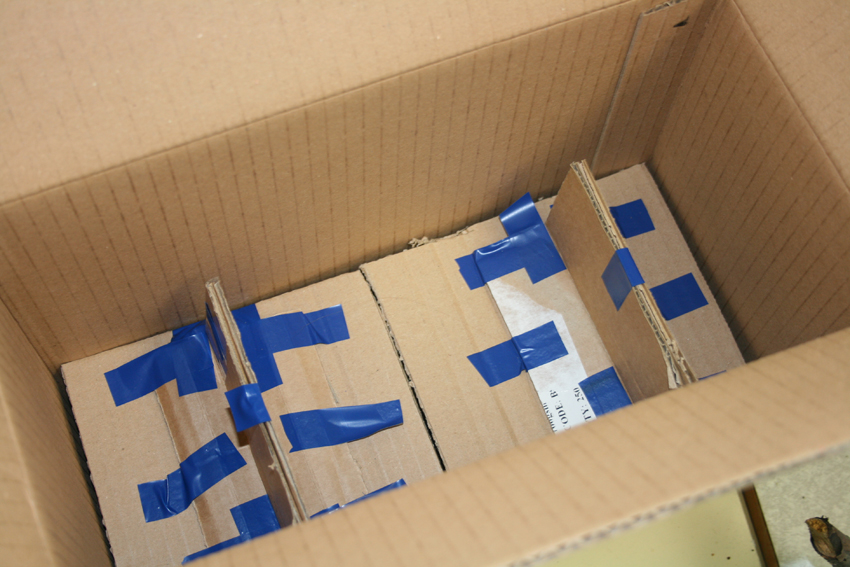
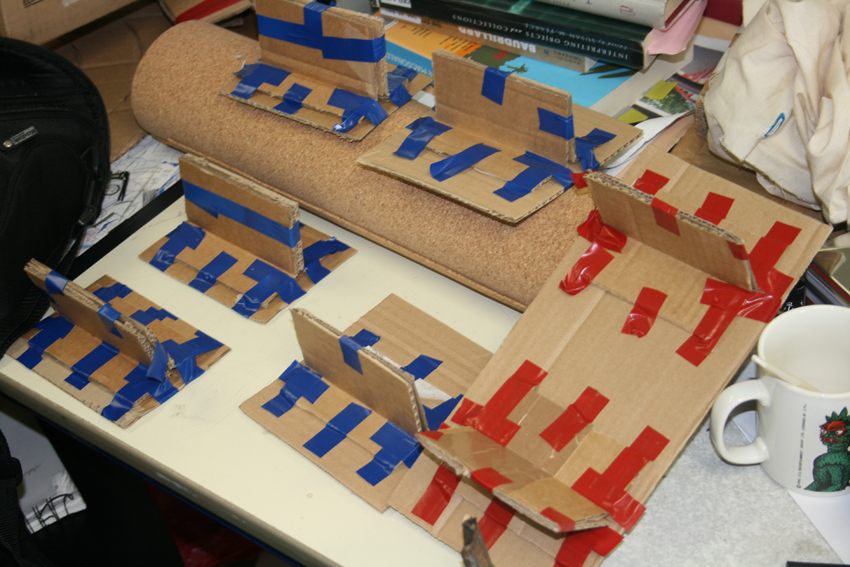
Today we made stuff out of mainly cardboard and tape- back to basics stuff with 'one day till the final exhibition' we had to crack out our final piece in 5 hours. I used the day to push one idea around-
The First was looking at a display type item, lets say a shelf with a window type thing- pretty similar to the window on a pool table- where objects are placed into it and then after enough accumulation has happened the first objects exit the system to be destroyed on the floor.

The second was looking at a similar kind of thing where some kind of conveyor belt moving around displaying at different angles and positions moved through the system and then at the pinnacle or perhaps end, it would have its roller coaster type photo taken and then sent into some kind of archiving system- either the photo or the object.

Next was something i had to get out- a box with different compartments: a kind of Russian doll in layers.

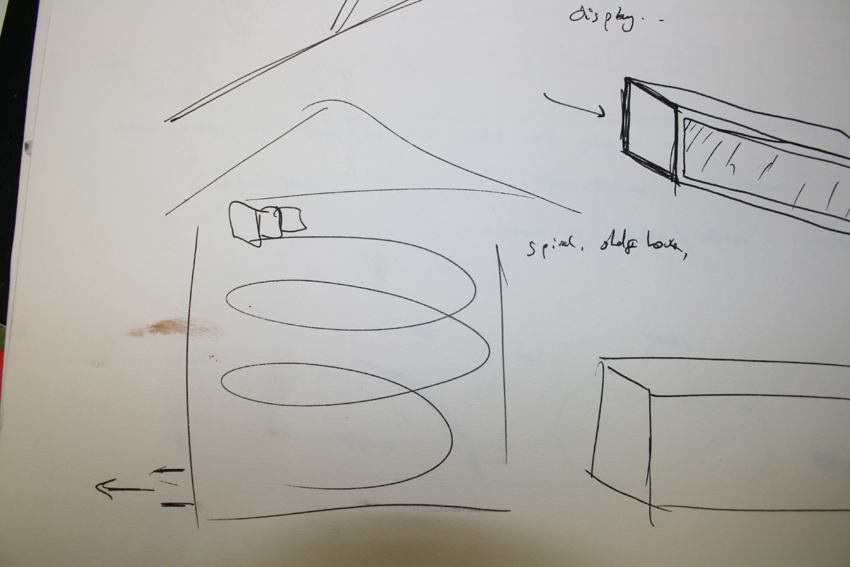
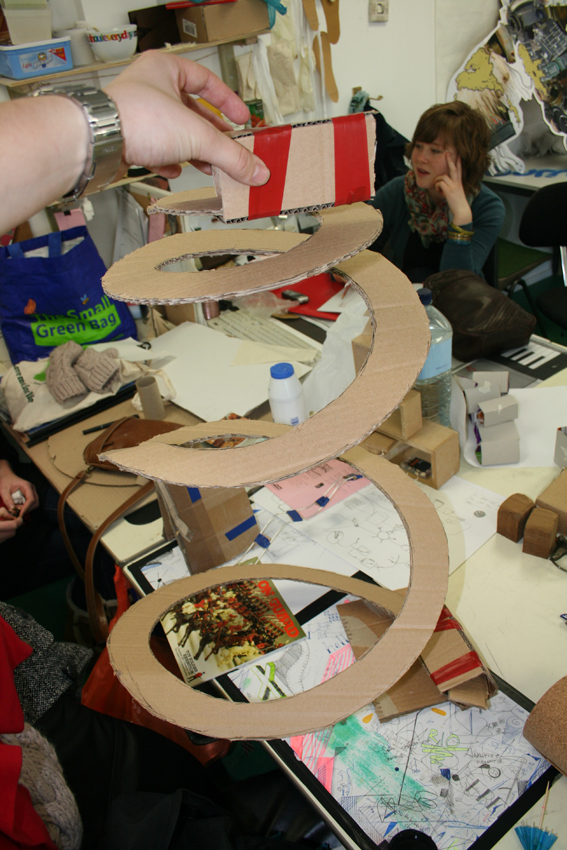
The final thing was better in the drawing a spiral shelf in a room where items enter and exit at top and bottom respectively- similar to the roller coaster and the pool ball window.

I like this idea of movement in display and collection- the slopes add to the idea of movement and time being a factor in the accumulation process.

Coke Branding

I gotta get this outta my system, i got these over a period of 3 years, one can (far left, from Barcelona 3 years ago, middle from 2 years ago in the UK and the right one is the recent(ish) rebrand. I like it, i really am a sucker for a 'classic' look.

A Nice Interactions Website

This has some good interviews about interaction in design ranging from Dunne and Raby to the guy who designed the first 'proper' mouse. Make sure you check out Hiroshi Ishii's sweet diagram for interactions of basically any kind- it's nice to see these things striped down to the basics sometimes. http://www.designinginteractions.com/interviews/HiroshiIshii

More Books

Inventory : Collected, Vol. 2, No. 2 1997 The world according to Dewey, Simon Neville, pg 34:

There are 2 types of institutional collection; the indexical collection and the museum collection. This distinction hinges upon an understanding of 'whole' and 'fragment'. Within the indexical collection, items that together compromise the collection as 'whole', are 'fragments' of that collection. Within the museum the same items become 'whole' though an act of presentation that serves to isolate the item as a distinct object, removing it from an archival space where it would have existed within an array of similar objects descriptively understood as a class within a general taxonomy, to become a proper name.

Abject/Collect, Nick Norton, pg 37:

Yet how pointless, to embark upon a collection that will be killed if complete, will kill us if never completed.

The Ticket Collectors, John Churcher, pg 41:

For many patients the closed world of the railways fulfils he same function as the pub for alcoholics; providing an ideal milieu and cover for their activities.

A botanical enthusiast informs me that there are at least 300 genera of rushes and that while the difference between many of them is extremely slight an interest in rushes is not incompatible with leading a relatively normal life. On the other hand grasses have been divided up into 600 genera and 10,000 species. In  typical English meadow or field an expert working on his hands and knees , with a microscope, from dawn to dusk might identify upwards of 100 species or sub-species, the following day perhaps another 50. The perils are obvious. As some will attest that with recreational drugs one things leads to another, all too often today's 'rushman' is tomorrow hooked on grass.

From Soane to Soane, Calum Storrie, pg 44:

Every doll (especially the doll that cannot be played with) presents itself as 'us' made small. Each railway station, car, gun and doll's house shows us our world made small. Of course by juxtaposing different scales of object this world is made absurd. So what, at  first, appears as a way of simply relating to the world (especially the world of made things) is actually a mad tableau which defies coherence.

Waste, Residues and Traces: Collecting As A Form Of Consumption, Adam Scrivener, pg 94:

Collecting also seeks the most rare, the unique. In an age of undifferentiated mass-production the aura of the unique object still has power.

For the museum, completion is the ultimate desire - to collect or accurately represent everything of a certain type or with the widest and most detailed scope possible; where for the private collector, it is to be feared and deferred - the final item spells death where perhaps only a dispersal or selling off can begin the process anew.